
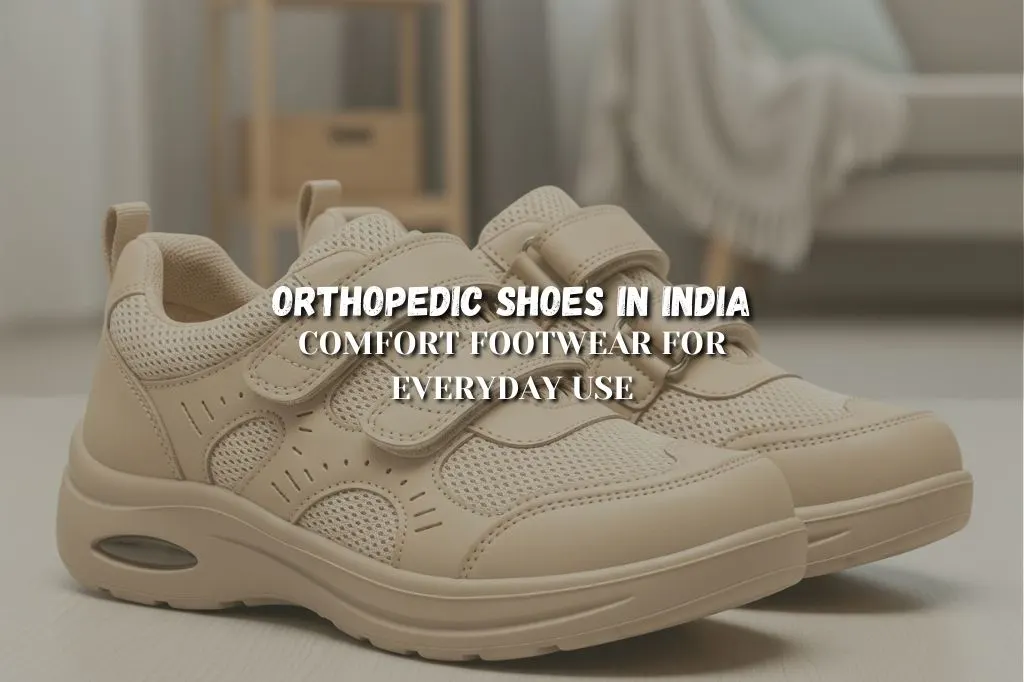
If your feet hurt, your day shrinks. That’s why the demand for orthopedic shoes in India has exploded—people want footwear that looks good, lasts long, and actually supports the foot. Whether you stand all day, walk for work, or manage conditions like plantar fasciitis, flat feet, bunions, diabetes, or knee/back pain, the right pair of orthopedic footwear can transform comfort, posture, and energy.
This professional, SEO-focused guide covers how orthopedic shoes work, who needs them, what to look for (and avoid), India-specific fit tips, price bands, and care—plus a practical table matching common foot issues with the features that genuinely help. We’ll also share how a quality-first manufacturer like KLASEN designs comfort shoes that feel great from day one and keep performing for years.
“The most comfortable shoe isn’t the softest—it’s the one that keeps your foot aligned, stable, and supported all day.”
Why Orthopedic Footwear Matters (Far Beyond “Soft”)
Marketing loves the word “soft,” but great orthopedic footwear is really about biomechanics:
- Alignment: A properly shaped last and arch support position the foot so hips and spine track better.
- Stability: A secure heel counter and torsional control reduce over-pronation and fatigue.
- Pressure distribution: Rocker soles, metatarsal support, and roomy toe boxes spread load away from pain points.
- Shock management: Midsole formulas (EVA/bio-EVA/PU) cushion impact while keeping you stable—no wobbly marshmallow feel.
- Consistency: Durable materials maintain support after months of use, not just the first week.
Bottom line: Orthopedic shoes help your body spend less energy fighting poor mechanics, so you can focus on life—not on your feet.
Who Benefits Most from Orthopedic Shoes?
- Professionals on their feet: Retail, hospitality, healthcare, manufacturing, teaching.
- Walkers & commuters: Daily 5–10k steps benefit from support and heel-to-toe flow.
- Specific conditions: Plantar fasciitis, flat feet (over-pronation), high arches, bunions, hallux rigidus, Achilles issues, diabetic neuropathy, heel spurs, shin splints, and knee/back pain.
- Post-injury or post-surgery recovery (consult your clinician).
- Wide feet or toe deformities that need space, not squeeze.
Note: This guide is educational, not medical advice. If you have persistent pain or diabetes-related concerns, see a podiatrist/orthopedic specialist.
The Anatomy of a Good Orthopedic Shoe
- Last shape: Natural forefoot spread (foot-shaped or anatomical toe box), gentle instep curve, and locked-in heel.
- Arch platform: Built-in medial arch support or removable orthotic insole with arch and metatarsal pad option.
- Heel counter: Firm (not hard) counter holds calcaneus neutral to limit excessive pronation.
- Midsole: Tuned EVA/bio-EVA/PU blend for shock absorption and stability; some models add a rocker for smoother toe-off.
- Outsole: Rubber contact zones for slip resistance (monsoon-friendly), flex grooves under forefoot.
- Upper: Breathable mesh/knit or supple leather; seam-sparing patterning over bunion areas to prevent hot spots.
- Footbed: Cork/PU memory with moisture management; ideally removable to fit custom orthotics.
- Closure: Laces or dual-adjust straps for micro-fit; side zips in some models for easy on/off.
- Weight & balance: Light enough for daily wear, substantial enough to feel planted.
Quick Match Table: Foot Condition → Helpful Shoe Features
| Foot Issue / Goal | Symptoms You Feel | What to Look For in the Shoe | Why It Helps |
|---|---|---|---|
| Plantar Fasciitis / Heel Pain | First-step pain, heel soreness | Firm heel counter, arch support, slight rocker, heel cushion (not mushy) | Limits over-pronation; reduces strain on plantar fascia |
| Flat Feet / Over-Pronation | Arch collapse, knee/hip fatigue | Medial post or supportive arch, stable midsole, heel lock | Keeps foot from rolling inward; aligns chain above |
| High Arches / Supination | Outside-edge wear, ankle sprain risk | Softer forefoot cushioning, flexible forefoot, lateral stability | Adds shock absorption and reduces lateral roll |
| Bunions / Forefoot Pressure | Soreness at big toe joint | Wide toe box, stretch panels, minimal seams over bunion | Reduces rubbing; lets forefoot splay naturally |
| Hallux Rigidus / Big Toe Arthritis | Pain on toe-off | Rocker sole, stiff forefoot platform | Moves load forward without forcing painful bend |
| Diabetic / Sensitive Feet | Hot spots, numbness, wounds | Seamless lining, extra depth, soft collars, removable insole | Minimizes friction; allows custom orthotics |
| Long Standing (Work) | Burning feet, tired calves | Stable midsole, supportive footbed, grippy outsole | Shares load across the foot; prevents slip fatigue |
| Back/Knee Pain Linked to Gait | Aching after walking | Neutral alignment, balanced cushioning, slight rocker | Smooth stride reduces cumulative joint stress |
Use this table to shortlist features first—then choose style, color, and price.
India-Specific Sizing & Fit Tips (Don’t Skip)
- Size mapping: India/UK sizing typically matches; India 8 ≈ UK 8 ≈ EU 42 ≈ US Men 9 (verify brand chart).
- Width matters: If you have wide feet or bunions, prioritize wide fit orthopedic shoes or knit uppers with give.
- Monsoon reality: Pick outsoles with wet-grip rubber and uppers that dry fast; leather is great but treat it (see care).
- Try with your socks/insoles: Bring your usual work socks or orthotic to get true volume and feel.
- Break-in vs. broken design: Well-made comfort shoes feel good in minutes, not months. If it bites in the store, it’ll bite on the road.
Materials & Constructions That Actually Help
- Uppers: Engineered knit/mesh for breathability and forefoot give; or premium leather for structured support in formal orthopedic shoes.
- Midsoles:
- EVA / bio-EVA: Lightweight, shock-absorbing.
- PU: Denser, more durable, stable for work shoes.
- EVA+rubber hybrids: Cushion + durability.
- Footbeds: Cork molds to you and stays cool; PU memory adds step-in comfort; antibacterial covers control odor.
- Outsoles: Rubber with siping/traction lugs for wet tile, granite, and polished concrete (India office floors!).
- Constructions:
- Strobel (athleisure): flexible, light, comfortable.
- Cemented (formal/work): secure sole bonding, resoling possible by skilled cobblers.
- Stitch constructions (Blake/Blake-Rapid/Goodyear) in dress categories add longevity and resolability.
Orthopedic Shoe Styles (So You Can Own Your Week)
- Walking/Athleisure: Breathable knit, rocker-assisted stride, removable insole for orthotics—ideal for commutes and long days.
- Work/Uniform: Slip-resistant rubber, stable PU midsole, supportive footbed; matte leather or engineered uppers that wipe clean.
- Formal & Semi-Formal: Anatomical last, hidden arch support, padded collars, flexible forefoot (Blake or cemented with flex grooves).
- Sandals & Slides: Dual-strap adjustability, contoured cork footbeds, heel cup; look for anti-skid patterns for monsoon.
- Diabetic “extra depth” shoes: Seamless lining, extra volume for custom inserts, protective toe box, soft collars.
How to Choose (A 10-Point Checklist You Can Screenshot)
- Start with your symptoms (table above) and pick features that target them.
- Arch support you can feel, not a flat insole with marketing words.
- Stable heel—squeeze the counter; it should resist, not collapse.
- Toe box room—you should wiggle toes freely.
- Rocker or flex—for forefoot pain, rocker helps; for daily walkers, balanced flex grooves.
- Outsole grip you trust on wet floors (office, mall, stations).
- Removable footbed if you use custom orthotics.
- Weight & balance—light is great, but not tippy.
- No hot spots from seams over bunions or prominent knuckles.
- Return policy—try at home on clean floors for 30–60 minutes before committing to pavement.
Price Bands in India (Indicative, 2025)
- ₹2,000–₹3,500: Entry comfort; basic arch support; casual looks.
- ₹3,500–₹6,000: Solid everyday orthopedic shoes; better footbeds, wet-grip rubber, knit/leather blends.
- ₹6,000–₹10,000+: Premium materials, tuned midsoles, rocker designs, extra-depth diabetic options, resole-friendly builds in formal.
Tip: Evaluate cost per wear. A ₹7,000 pair that lasts 2–3 seasons of daily use often beats a ₹2,500 pair replaced every few months.
Care & Maintenance (Double the Life of Your Pair)
- Rotate pairs—give foam and footbeds 24 hours to rebound.
- Air-dry after wet commutes; avoid direct heat (damages adhesives and leather).
- Brush & wipe weekly; use mild soap on knit/mesh; condition leather quarterly.
- Refresh footbeds—replace cork/PU insoles every 8–12 months if compressed.
- Sole service—replace heel tips or outsoles before they fully wear through.
Common Mistakes (and Faster Fixes)
- Buying only for softness: Over-soft equals unstable; look for support + stability.
- Ignoring width: Squeezed toes equal hot spots; choose wide fit orthopedic shoes when needed.
- Skipping heel counter check: If it collapses in your hand, it’ll collapse on the road.
- Fashion over function in work shoes: Wet-grip rubber and midfoot stability matter more than glossy finishes.
- Never replacing insoles: A fresh footbed often buys you another season.
A One-Day Test Plan (Before You Commit Long-Term)
Morning errand run → Office commute (stairs + wet tile check) → Standing task 60 minutes → Evening walk 20 minutes.
Ask yourself: Any hotspots? Any heel slip? Any arch strain? If the answers stay “no,” you’ve likely found your pair.
The KLASEN Approach to Orthopedic & Comfort Footwear
At KLASEN, we design comfort footwear for everyday use with Indian conditions in mind—humid monsoons, long commutes, polished floors, and diverse foot shapes.
- Ergonomic lasts: Foot-shaped toe boxes with secure heel locks; wide-fit options for bunions and high volume feet.
- Support systems: Removable orthotic footbeds (cork/PU memory) with arch + metatarsal support options.
- Stability midsole formulas: EVA/bio-EVA for walking lines; PU with rubber contact for work durability.
- Wet-grip outsoles: Rubber compounds patterned for tile and granite; siping for monsoon traction.
- Low-seam uppers: Engineered knit zones over pressure points; supple leather for formal lines with hidden comfort.
- Diabetic comfort line: Seamless linings, extra depth, soft collars, and protective toe boxes.
- Repair-friendliness (select models): Outsoles and footbeds that can be replaced to extend life.
Result: Shoes that look current, move naturally, and stay supportive through real Indian days.
Closing Thought
The best orthopedic shoes in India aren’t gimmicks—they’re good biomechanics wrapped in materials that suit our climate and city surfaces. Pick by features for your foot, confirm fit with a short home trial, and maintain them like the daily tools they are. Your feet, knees, and back will thank you every step of the way.
“Comfort is not a luxury—done right, it’s a quiet technology that lets you live more of your day.”
Talk to KLASEN — Orthopedic & Comfort Footwear, Made Right
Whether you’re a retailer building a comfort line or a consumer who wants pain-free days, KLASEN can help you find (or make) the right pair—balanced support, credible materials, and India-ready traction.
Email: info@klasen.in
📞 Phone: +91 9119053164
Website: klasen.in
KLASEN — supportive by design, durable by construction, comfortable from day one.
FAQs
1. What are orthopedic shoes?
Orthopedic shoes are specially designed footwear that provide support, comfort, and alignment for people with foot, ankle, or leg problems such as flat feet, plantar fasciitis, or arthritis.
2. Who should wear orthopedic shoes?
They are recommended for people with diabetes, heel pain, arthritis, bunions, corns, calluses, flat feet, plantar fasciitis, or post-surgery recovery. Even those seeking extra comfort can benefit.
3. Are orthopedic shoes available in India?
Yes, orthopedic shoes are widely available in India through medical stores, orthopedic clinics, and online platforms like Amazon, Flipkart, and specialized footwear brands.
4. What are the benefits of wearing orthopedic shoes?
- Corrects foot alignment
- Reduces foot, knee, and back pain
- Improves balance and walking posture
- Provides extra cushioning and arch support
5. What is the price range of orthopedic shoes in India?
The price usually ranges from ₹1,500 to ₹5,000 for standard models. Premium or custom-made orthopedic shoes may cost ₹6,000 – ₹10,000+ depending on the material and design.
6. Can orthopedic shoes be customized in India?
Yes, many orthopedic clinics and specialized footwear manufacturers in India offer custom-made orthopedic shoes tailored to foot measurements and medical conditions.
7. Are orthopedic shoes stylish in India?
Earlier, orthopedic shoes looked bulky, but now brands offer modern, lightweight, and stylish designs suitable for daily wear, office use, and even sports.
8. Are orthopedic shoes covered under health insurance in India?
In most cases, regular orthopedic shoes are not covered. However, in some cases of post-surgery or diabetic footwear, insurance may cover partial costs depending on the policy.
9. How do I choose the right orthopedic shoes in India?
Look for shoes with:
- Proper arch support
- Shock-absorbing sole
- Wide toe box
- Lightweight design
- Doctor’s recommendation if you have specific medical conditions.
10. Which are the best brands for orthopedic shoes in India?
Some popular brands include:
- Dr. Scholl’s
- Bata Comfit
- Hush Puppies (orthopedic line)
- Liberty Coolers
- Doctor Extra Soft
- Custom orthopedic shoe manufacturers in metro cities



Leave a Reply